
Achievements
A clear picture of the practical skills and plant knowledge that participants develop through the course curriculum.
What the courses help you accomplish
The Wicaze Cipefa curriculum is built around observable, practical outcomes. By the time participants finish a course track, they have developed working knowledge they can apply directly to their plant collection. These are not abstract learning goals - they are skills that show up in how your plants look and behave.
Watering Confidence
Participants move from guessing at watering frequency to reading actual soil moisture and plant signals. The shift from a fixed schedule to an observation-based approach is one of the most significant changes in how people care for their plants.
Light Placement Knowledge
Understanding how to evaluate your specific windows and rooms means placing plants where they will actually thrive rather than survive. Participants learn to assess light intensity changes across seasons and adjust accordingly.
Propagation Skills
Participants learn to take cuttings, prepare propagation vessels, monitor root development and time the transition to soil. The skill works across plant families, making it immediately useful for a varied collection.
Problem Diagnosis
The troubleshooting curriculum teaches observation-based diagnosis. Participants learn to look at leaf color, texture, root condition and soil behavior to identify what is causing a problem before responding to it.
How understanding
develops over time
Foundations
The early modules establish how plants work - how roots absorb water, how leaves process light, how soil composition affects both. This context makes every subsequent care decision more logical and less arbitrary.
Category Knowledge
Participants move into the specific plant categories - tropical, succulent and flowering. Each has its own care logic, and the curriculum makes those differences explicit and memorable.
Applied Practice
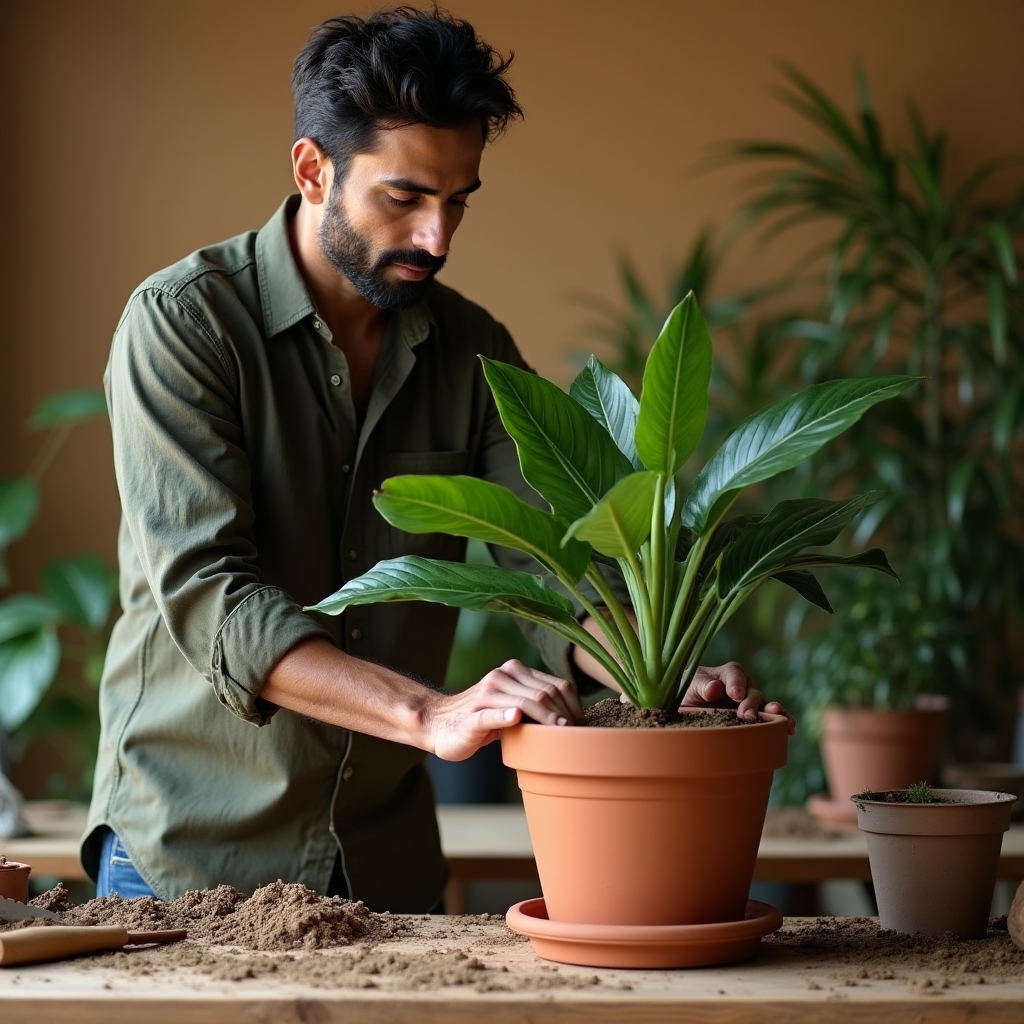
The later modules focus on practical application - working through care guides with actual plants, attempting propagation, identifying problems and responding. This is where knowledge becomes skill.
Independent Judgment
By the final modules, participants have developed the pattern recognition to assess any new plant they bring home and make reasonable care decisions without needing to look up every detail.
Beyond the course
material
Plant care knowledge compounds. Understanding one plant type makes it easier to assess the next one. Troubleshooting one problem builds the observational habit that catches the next one early. Participants often find that the skills from the course change how they approach any new plant.
The care guides are designed to remain useful. They are not course materials to discard after completion - they are reference tools intended to stay in use as your collection grows and changes.
Explore course optionsCourse completion
Participants who complete a full course track receive a digital course completion record. This is not a professional qualification or accredited certification. It documents that the course was completed and reflects the practical plant knowledge covered in the curriculum.
The value of the course is in the knowledge and skills developed, not in the completion record itself. The record is a useful reference for your own documentation.